
Resources
Access our comprehensive library of research reports, guidelines, training materials, and technical resources on sustainable development.

Across sub-Saharan Africa, the fall armyworm and the parasitic Striga weed have become major threats to smallholder maize farms. Harvests are destroyed, food security is undermined, and rural livelihoods suffer. From the savannas of West Africa to Mozambique’s floodplains, farmers face ever-increasing pest pressures, yet affordable and effective control options remain out of reach.

Gender integration for sustainable adoption of integrated Fall armyworm management practices in maize production in East and Southern African countries

Radio Script for Agroecological Management options of Fall Armyworm (Spodoptera frugiperda)

In Malawi, radio remains a powerful and trusted medium for information sharing, particularly among rural communities. Community radio stations, which broadcast in local languages and address locally relevant issues, offer an effective platform for reaching targeted geographical areas. With the advent of ICT innovations such as mobile phones and voice recorders, radio has evolved from a one-way channel into an interactive medium. Farmers and experts can now share experiences, ask questions, and provide feedback in real-time through the same platform. Prior to engaging radio stations, it is essential to assess community preferences, identify the most listened-to stations, and determine optimal listening times to ensure effective audience reach and participation.
By bridging the gap between research institutions, extension services, and farming communities, community radios in Zambia serve as vital platforms for inclusive knowledge exchange, helping to scale innovations and strengthen community resilience in the face of agricultural and environmental challenges.

Community radios play a pivotal role in accelerating the dissemination of agricultural and ecological innovations in Uganda. Their strong local reach, use of vernacular languages, and integration within community structures make them highly effective in bridging information gaps between researchers, extension agents, and farming communities. Stations such as Mega FM, Unity FM, Etop Radio, and NBS FM have established themselves as trusted platforms for knowledge sharing, enabling farmers to access timely, context-specific information on sustainable agricultural practices, pest management, and climate-resilient technologies.

The assessment aimed to establish the roles of men and women in the maize value chain in eastern Uganda, examine gender dynamics in decision-making across production and marketing, determine the levels of awareness and understanding of Fall Armyworm (FAW) innovations among both men and women, and assess access to FAW control measures and technologies in the target areas.

The fall armyworm (FAW) invasion in Africa poses a significant threat to maize production, impacting millions of smallholder farmers. In response, the International Centre of Insect Physiology and Ecology (icipe), in partnership with the private sector and national agricultural organizations in Uganda, Zambia and Malawi, has developed climate-smart, gender-responsive approaches to pest management.
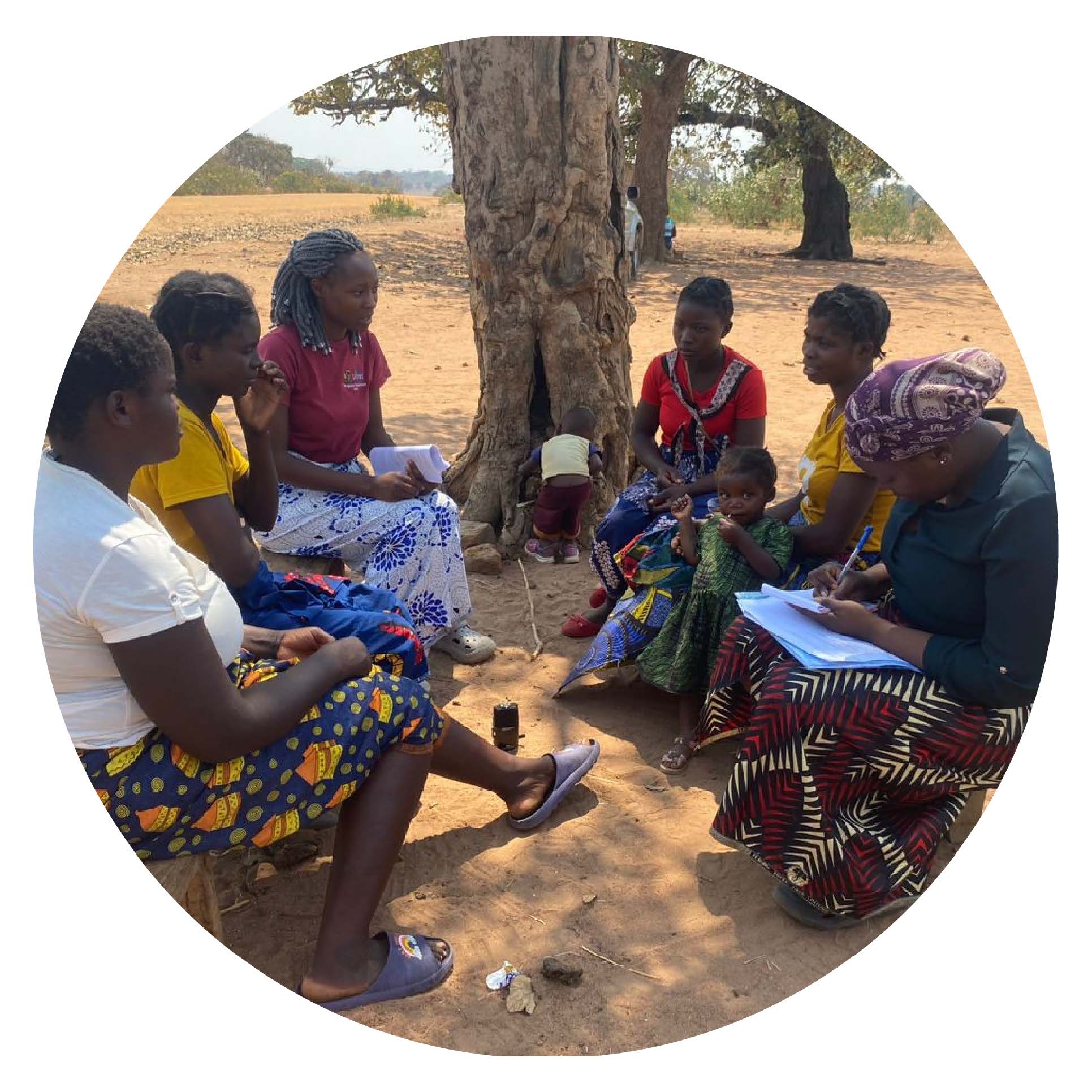
This rapid gender analysis report was produced through the Agro-ecological innovations for smallholder pest management (EcoPM) project in Malawi. The project was commissioned by the German Federal Ministry for Economic Cooperation and Development (BMZ) under the Fund for the Promotion of Innovation in Agriculture (i4Ag). The authors are grateful to the International Center of Insect Physiology and Ecology (icipe) and Total Land Care in Malawi for providing guidance throughout the exercise. Special thanks also go to the dedicated enumerators who collected data, as well as the supervisor who conducted the preliminary data analysis, making this study possible. We also appreciate the drivers for their logistical support. Finally, we sincerely thank all the Focus Group Discussion (FGD) participants for their openness in sharing invaluable information and for their commitment to the study by generously giving their time.

Maize production across sub-Saharan Africa faces several insect pests. These include stemborers, such as the African maize stalk borer Busseola fusca and the spotted stemborer
Chilo partellus, and in recent years the fall armyworm Spodoptera frugiperda. Maize production is also constrained by parasitic weeds such as striga.

The fall armyworm Spodoptera frugiperda causes massive losses to maize farmers across Africa. However, ecologically friendly integrated pest management (IPM) strategies are being developed to combat this pest, including the use of parasitoids as natural enemies.
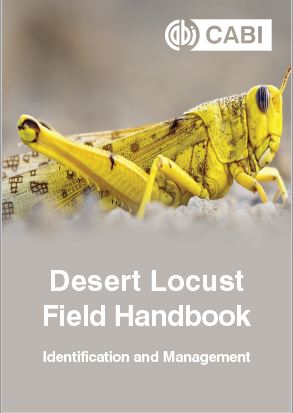
The desert locust, Schistocerca gregaria (Forskal) is arguably the most destructive agricultural pest globally. Favourable ecological and weather conditions can lead to rapid desert locust development, migration and spread across multiple countries, making this a major transboundary pest of great importance.

Like all other locusts and grasshoppers, the desert locust has three stages of development: egg, nymph (hopper) and adult.

The desert locust is a species of locust and a member of the grasshopper family Acrididae, which includes most of the short-horned grasshoppers. Locusts differ from grasshoppers because they can change their behaviour and physiology in response to changes in density.

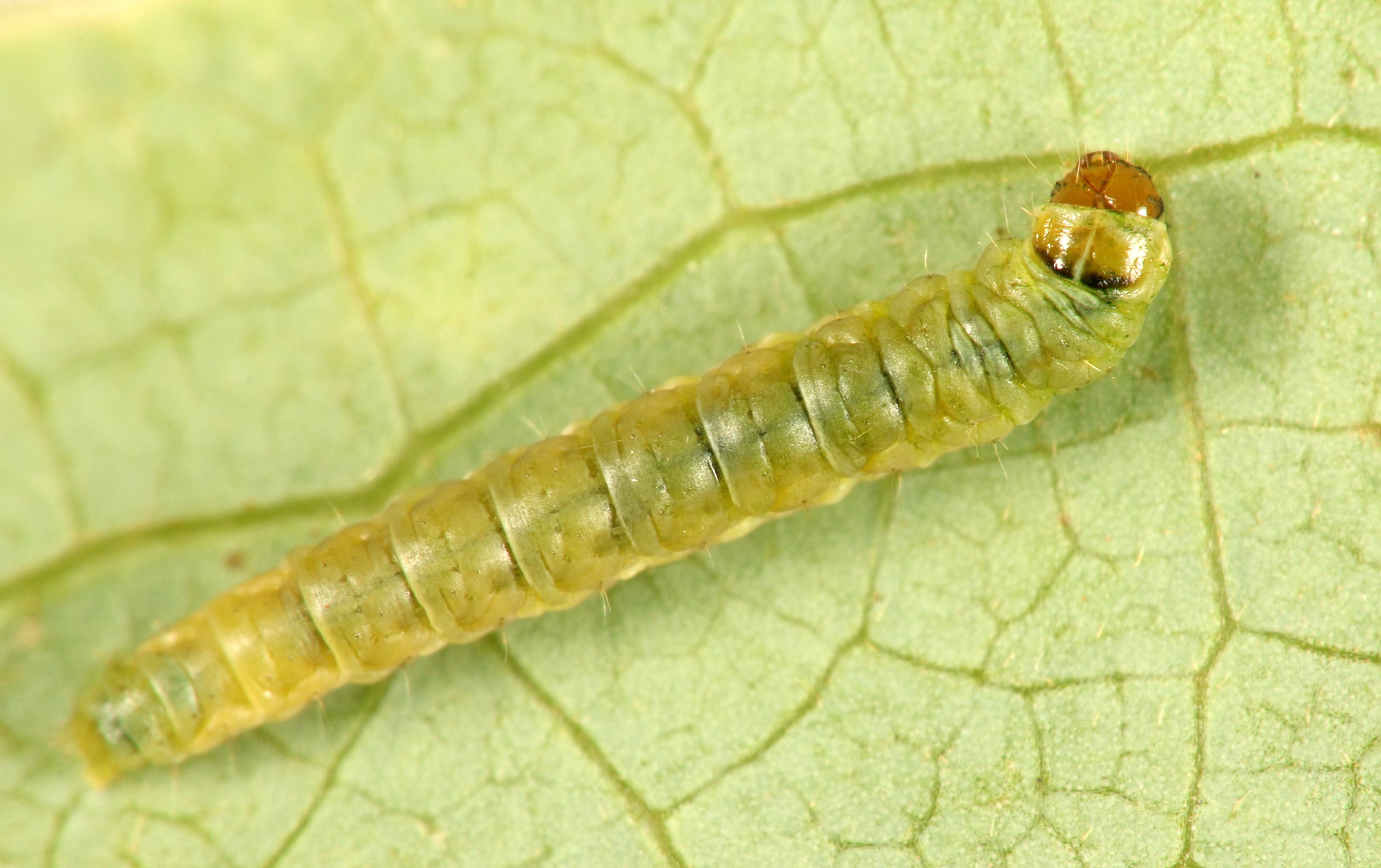
Fall armyworm (Spodoptera frugiperda) is an insect pest. It is a heavy feeder, feeding on more than 80 varieties of crops, including maize, sorghum, rice, millet, wheat, sugarcane and vegetables, but primarily affecting maize.

Biological control is the human use of specifically chosen organisms (parasitoids, predators and pathogens) also known as “farmers’ friends” to reduce damage caused by a pest.
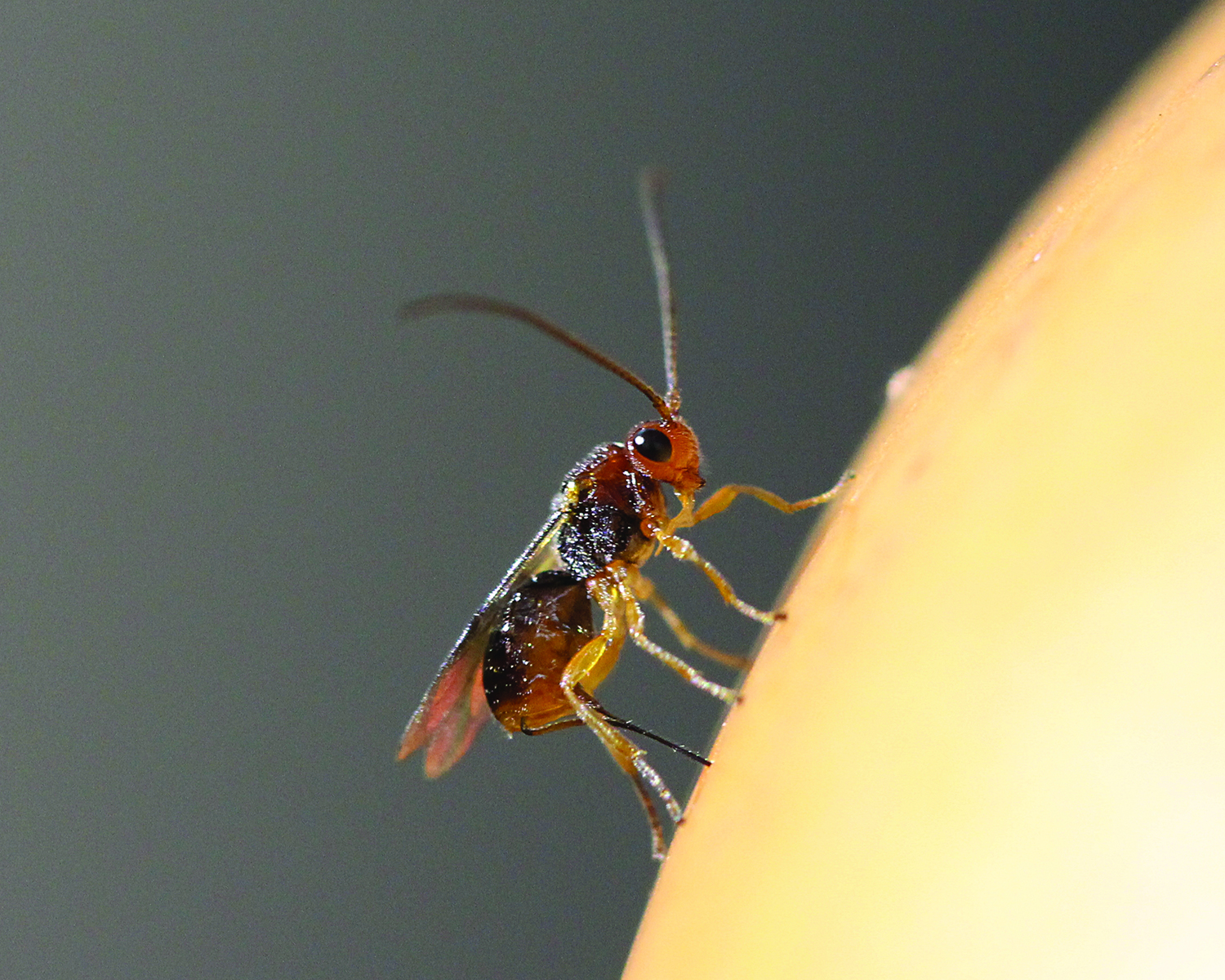
Biological control is the human use of specifically chosen organisms (parasitoids, predators and pathogens), also known as “farmers’ friends” to reduce damage caused by a pest.
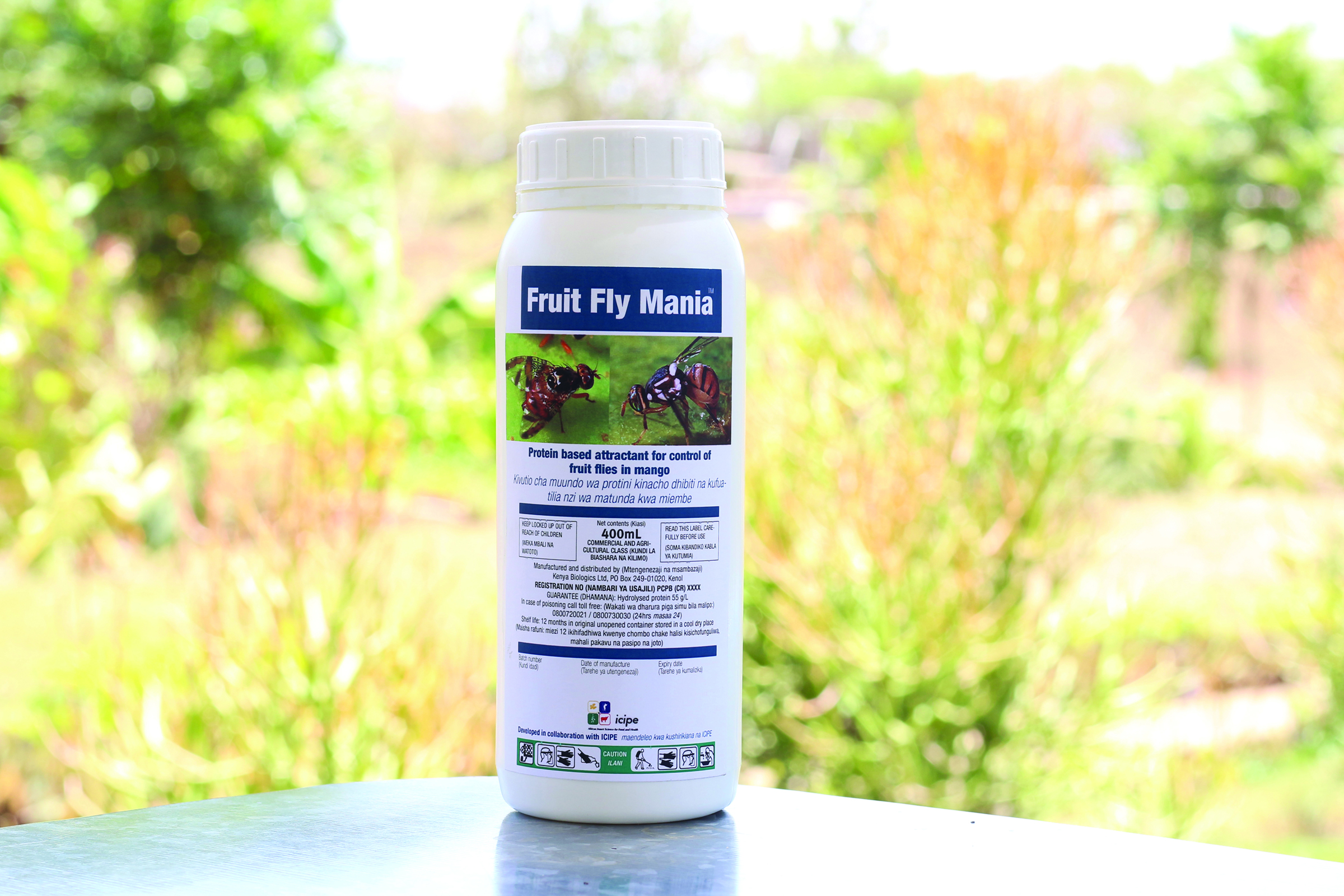
Female fruit flies require protein to mature their eggs. Sugars in protein bait are also important for the fruit flies to survive and mature. Protein bait, therefore, is attractive to female and male fruit flies. When mixed at the recommended concentration with appropriate insecticides, they attract different species of fruit flies that attack fruits and vegetables.

Fruit fly monitoring is an action taken to understand the population dynamics of the fruit flies in the field to guide control measures. It is done using traps baited with attractants (lures).

Male annihilation is the process of mass trapping of male fruit flies using male attractants such as methyl eugenol (ME), Cuelure and Trimedlure in combination with an approved insecticides.
Field sanitation is the process of collecting and destroying all infested fruits containing fruit fly eggs and maggots, on the ground and trees, to reduce fruit fly populations in the field.
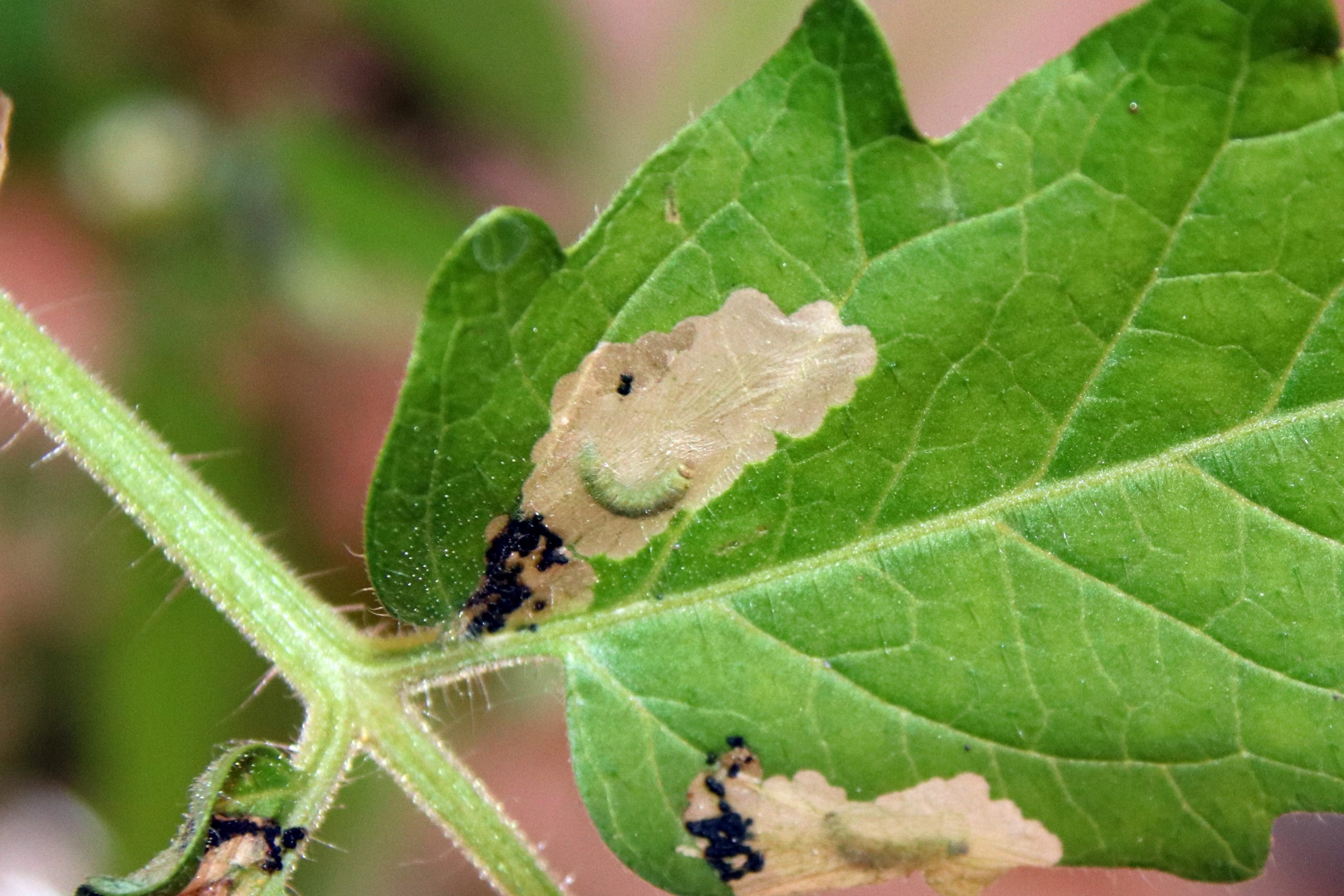
The purpose of this manual is to present Integrated Pest Management (IPM) practices that are recommended to be implemented by tomato growers.

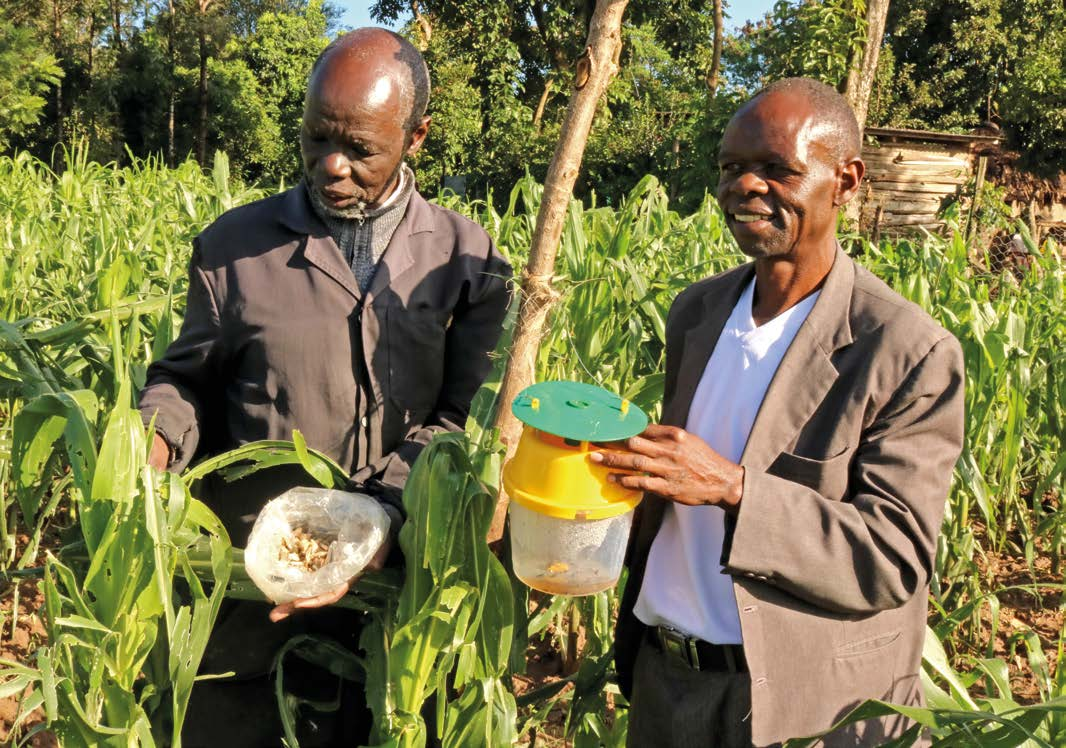
This manual presents IPM practices that are recommended to be implemented by maize growers. The IPM practices will reduce damage caused by Fall armyworm, maize stemborers and Striga, increase maize yield, protect the environment, and safeguard human health – through reduced use of synthetic chemicals.
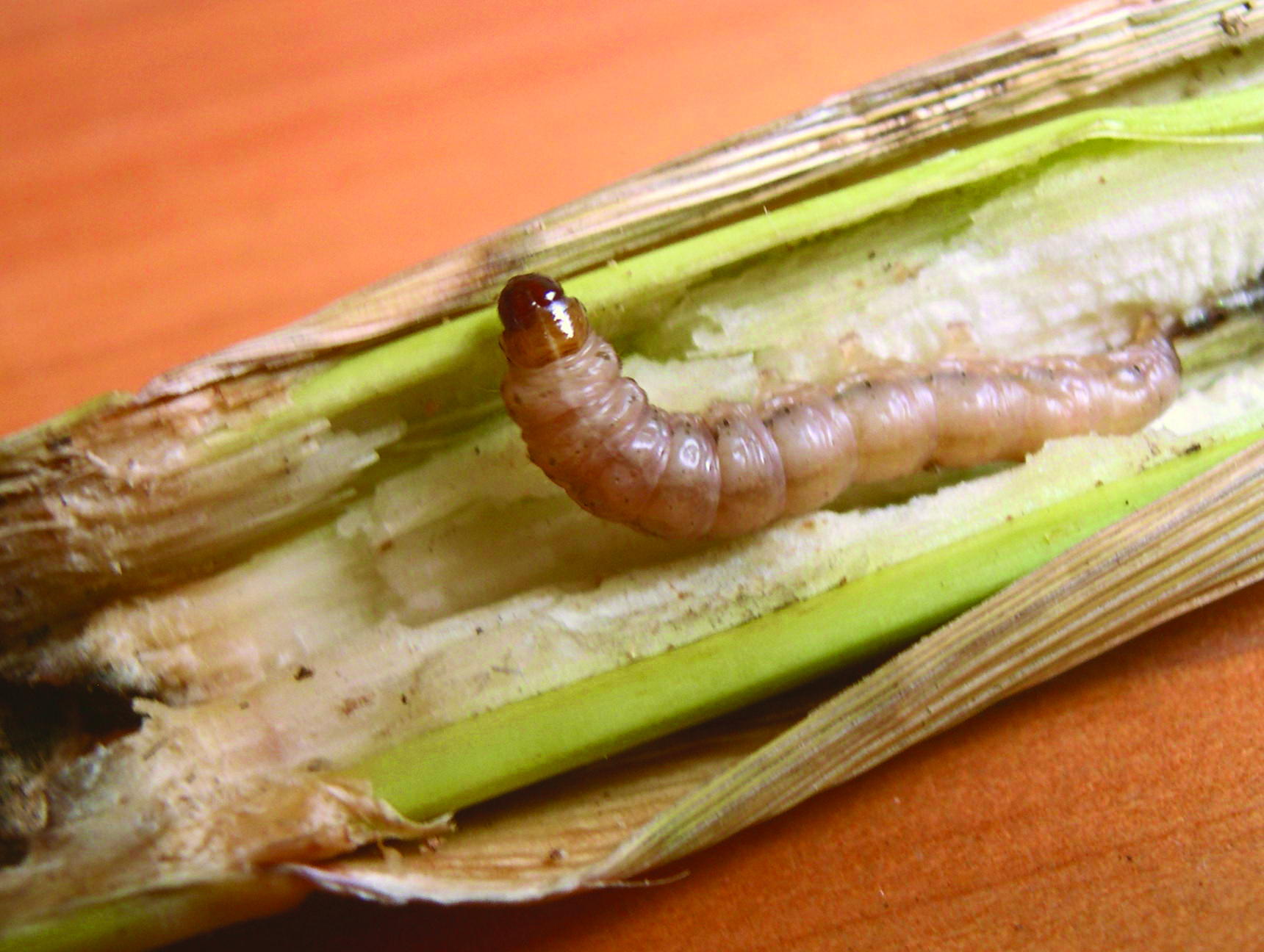
A guide to biological control of maize stemborers, Busseola fusca, Sesamia calamistis and Chilo partellus, using the larval parasitoids, Cotesia sesamiae and Cotesia flavipes
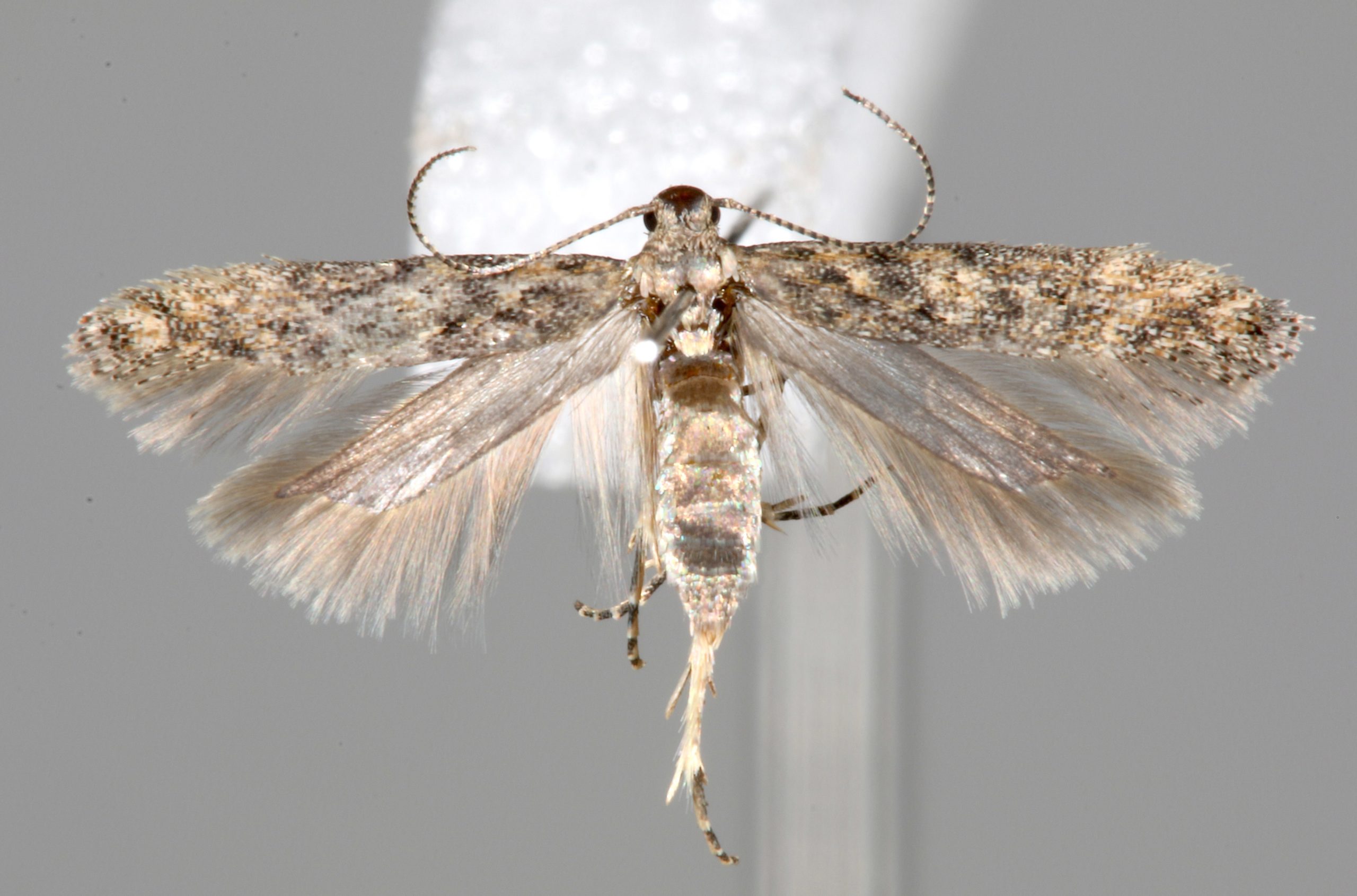
Full description of the publication. This text will appear on the publications page popup.
Full description of the publication. This text will appear on the publications page popup.
Full description of the publication. This text will appear on the publications page popup.
Full description of the publication. This text will appear on the publications page popup.